

European Leaders Meet on Arctic Security Amid Climate Change and Russian Military Buildup
The story
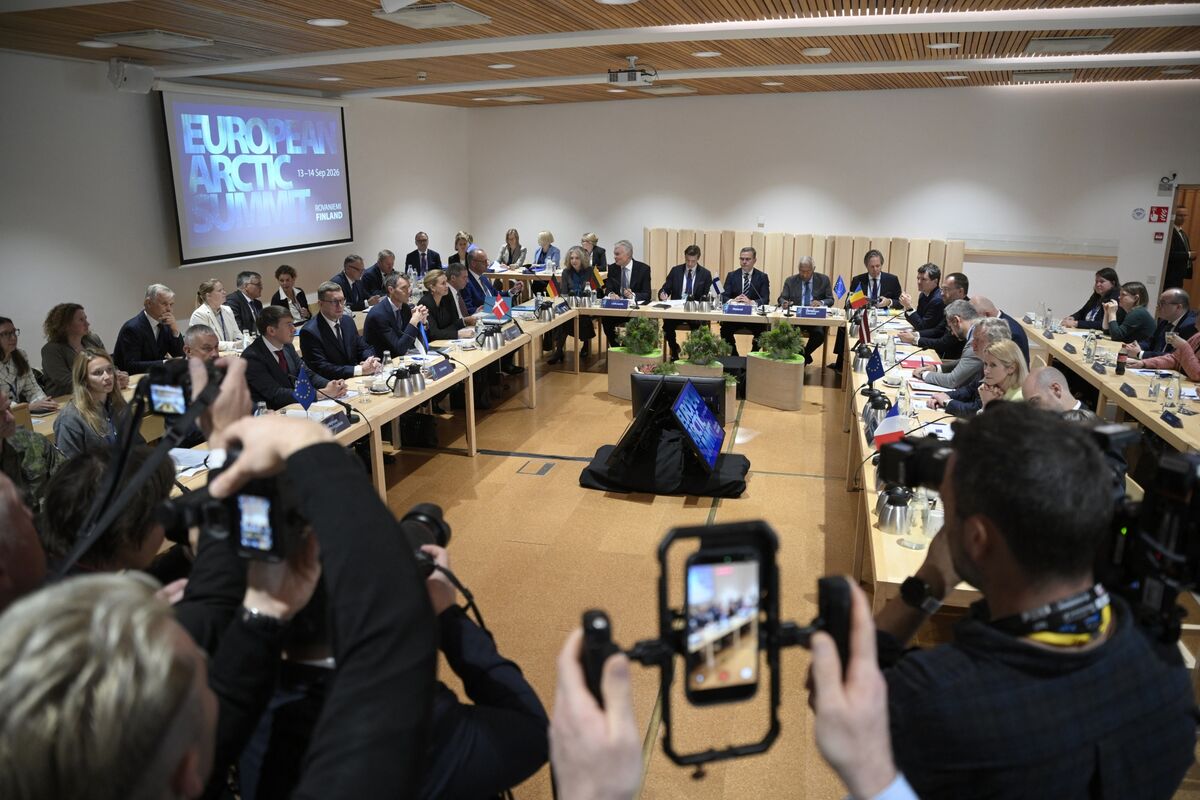
European leaders met Monday in Rovaniemi, Finland, for a two-day summit to discuss growing competition in the Arctic, where global warming is opening new shipping routes, governments are vying for vast natural resources, and a Russian military buildup is heightening security concerns. German Chancellor Friedrich Merz and Danish Prime Minister Mette Frederiksen were among the leaders attending. The leaders, mostly from Nordic and Baltic countries, highlighted military vulnerabilities at a time of doubts about whether the United States, through NATO, will remain a bulwark against Russia.
Finnish Prime Minister Petteri Orpo said the Arctic was very important for European security and prosperity, noting that climate change has created new sea routes but also threats. German Chancellor Merz said Russia is building up its military capabilities in the region and uses its presence for hybrid activities every day. He said his presence testified to the importance of the region to overall European security, adding that years of relative neglect should end. The meeting comes after a Norwegian seizure of a Russian vessel earlier this month in Svalbard at the request of Ukraine, drawing condemnation from Russian President Vladimir Putin.
The Centres for European Policy Network, a think tank, cited factors like accelerating climate change, China's growing trade through the Arctic, and conflict around the Strait of Hormuz, which has raised the importance of the Northeast Passage for maritime shipments. The meeting serves as a dress rehearsal for a revamp of the European Union's Arctic policy expected this autumn, with security at the center of the strategy for the first time. Last week, European Commission President Ursula von der Leyen offered 200 million euros, or $232 million, in EU support over the next two years to help Greenland tackle climate change, boost internet connections, and improve infrastructure. The European bloc has been grappling with its response to U.S. President Donald Trump's persistent pressure over Greenland, a self-governing territory of Denmark. Trump has repeatedly said the resource-rich island should be part of the United States, but Greenland's government opposes U.S. designs on the island.
Who's covering it
6 publicationsSummaries are drawn from the reporting above. Knowflo always links to the original journalism.